The Difference Between Insulation Types and Materials
Understanding the difference between insulation types and materials helps homeowners choose the best options, and local contractors can recommend suitable solutions for their needs.
Understanding the difference between insulation types and materials is essential for property owners looking to improve energy efficiency and comfort. Whether you're considering upgrades or new installations, knowing the options available can help you make informed decisions tailored to your specific needs. This knowledge is especially practical for those in the area who want to enhance their property's performance, reduce energy costs, or prepare for seasonal changes. By exploring the various insulation materials and types, you can better communicate your goals with local contractors who specialize in insulation services and ensure the job aligns with your expectations.
As you delve into this topic, you'll discover how different insulation materials and types serve unique functions and environments. From batt and blown-in options to spray foam and rigid boards, each has advantages suited to specific applications. Local service providers can help evaluate your property and recommend solutions that match your insulation goals. Keep reading to learn more about the distinctions between insulation types and materials, and how understanding these differences can lead to more effective and lasting results for your home or business.
- Attic insulation installation - homeowners needing to improve energy efficiency can rely on local contractors to select the appropriate insulation types and materials for their attic space.
- Basement insulation services - when damp or cold basements require insulation, local pros assess the environment to recommend suitable insulation materials and types.
- Wall insulation projects - for interior or exterior wall upgrades, local service providers help determine the best insulation options based on the wall construction and desired performance.
- Cavity insulation work - in existing walls, local contractors identify the right insulation types and materials to effectively fill cavities without damaging structures.
- Insulation removal and replacement - when outdated or damaged insulation needs to be replaced, local pros evaluate existing materials and suggest suitable new insulation types for optimal results.
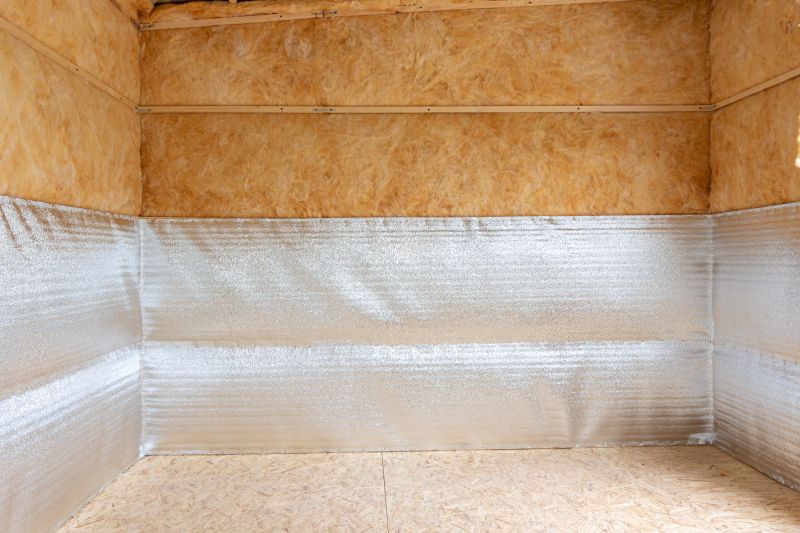
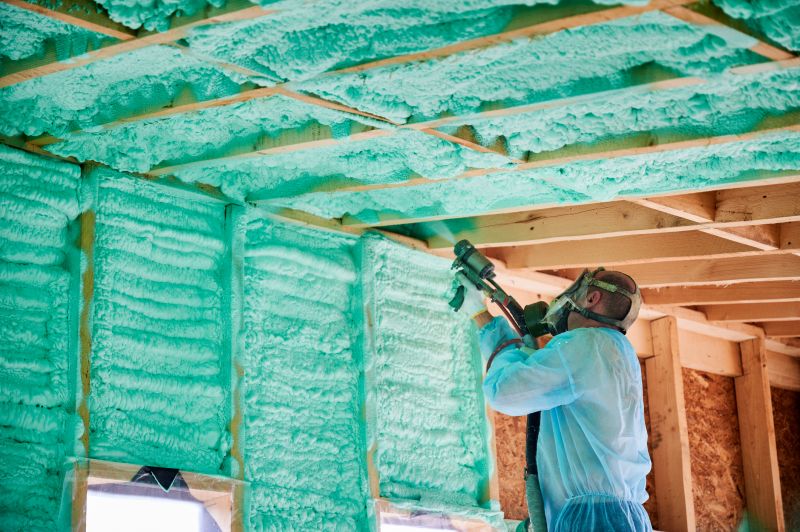
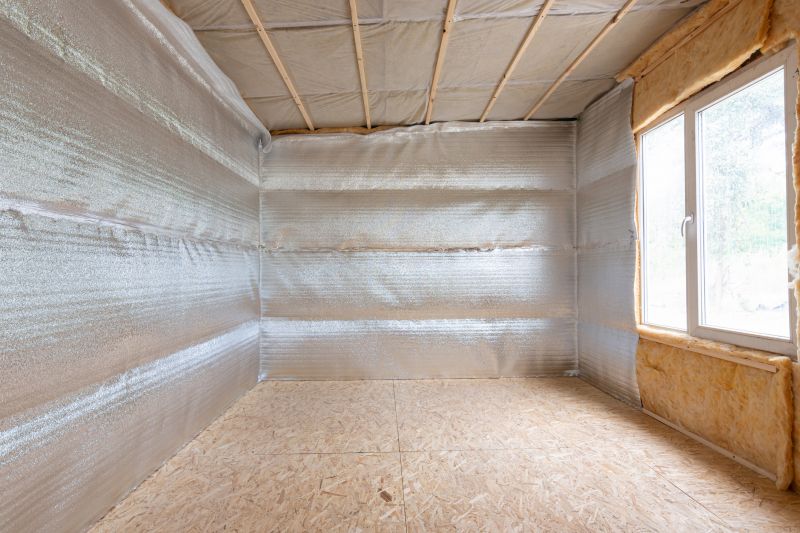
When homeowners search for information about the difference between insulation types and materials, they are often trying to understand which options are best suited for their specific property and project goals. This knowledge helps them make informed decisions about improving energy efficiency, reducing noise, or preparing for new construction or renovation. Many people are planning upgrades to their attics, walls, basements, or crawl spaces and want to know which insulation materials will perform best in these areas. Understanding the various types and materials can also clarify the installation process, durability, and maintenance requirements, making it easier to coordinate with local contractors who specialize in insulation services.
This topic is closely related to a range of property-related problems and plans, such as drafts, uneven temperatures, or high utility bills. Homeowners might be considering insulation upgrades to enhance comfort or to meet building codes. Others may be addressing issues caused by old or ineffective insulation, like moisture problems or pest infestations. When exploring the difference between insulation types and materials, property owners gain insight into which options can help resolve these issues effectively. Local service providers can then recommend suitable solutions based on the specific needs of each property, whether it’s a residential home, a multi-family building, or a commercial space.
Properties that typically come up when discussing insulation include single-family homes, multi-story residences, basements, attics, and even garages or workshops. The choice of insulation often depends on the property’s design, climate zone, and usage. For example, older homes may require different materials to improve energy efficiency without compromising the structure, while new constructions might incorporate advanced insulation types for optimal performance. Additionally, properties with unique features, such as vaulted ceilings or irregular wall cavities, may need specialized insulation materials. Local contractors familiar with these property types can help identify the most effective insulation options to meet the specific demands of each building.
Understanding the difference between insulation types and materials is essential for homeowners planning renovation or new construction projects. It helps them recognize how various insulation options perform in terms of R-value, moisture resistance, fire safety, and installation requirements. Local service providers can assist in evaluating properties to determine the most suitable insulation solutions, ensuring proper installation and long-term performance. By comparing different insulation types and materials, property owners can make choices that improve comfort, energy savings, and the overall value of their property, all while working with experienced local professionals who understand the nuances of each option.
Attic insulation installation - this project involves selecting and installing the right insulation materials, making it related to understanding the difference between insulation types and materials.
Basement wall insulation - local contractors working on basement insulation often need to choose appropriate materials based on their properties and performance characteristics.
Wall cavity insulation - planning and installing wall insulation requires knowledge of different materials and how they impact energy efficiency and moisture control.
Soundproofing projects - these often involve selecting insulation materials with specific sound absorption qualities, linking to the topic of insulation types and materials.
Attic ventilation and insulation upgrades - upgrading attic insulation involves understanding various materials and how they work together with ventilation systems.
Roof insulation installation - this project requires choosing suitable insulation materials to withstand weather conditions and improve energy performance.
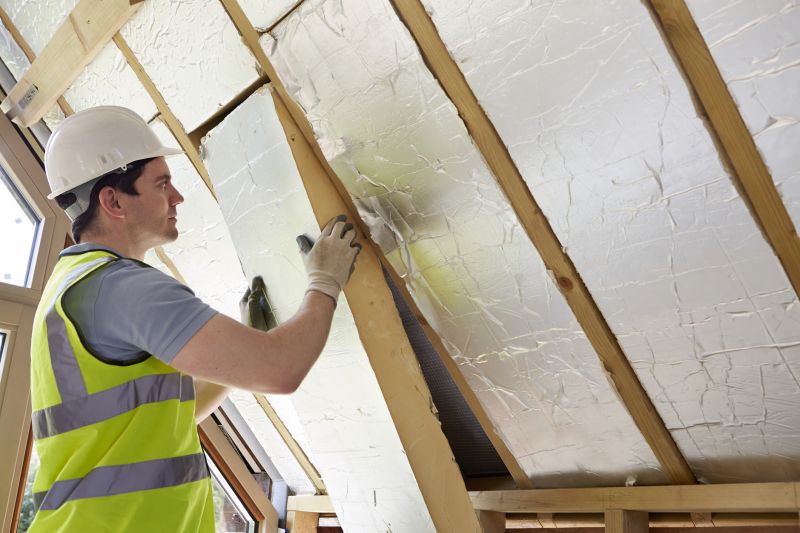
When comparing local contractors for insulation services, it’s important to consider their experience with similar projects. Homeowners should inquire about the types of insulation they have previously installed and whether they have worked in environments comparable to their own home. A contractor’s familiarity with different insulation materials and their application can provide insight into their ability to recommend the most suitable options for specific needs. This experience helps ensure that the chosen insulation type aligns with the home’s structure and the homeowner’s goals, leading to a more effective and efficient insulation upgrade.
Clear written expectations are essential when evaluating insulation services. Homeowners should seek detailed proposals that outline the scope of work, the types of insulation materials to be used, and the installation process. This documentation helps prevent misunderstandings and ensures that both parties are aligned on project goals. Good communication from the service provider also includes explaining the differences between insulation types and materials, so homeowners can make informed decisions about what best fits their home’s requirements and their personal preferences.
Reputable references and positive feedback from previous clients can provide valuable insight into a local contractor’s reliability and quality of work. Homeowners are encouraged to ask for references or to see examples of past projects involving different insulation materials. This can reveal the contractor’s ability to handle various insulation types and their attention to detail during installation. Additionally, a contractor’s responsiveness and clarity in communication are key indicators of their professionalism, helping homeowners feel confident in their choice of service provider for their insulation needs.
Property owners often search for the difference between insulation types and materials when they are planning practical projects around their homes and businesses. Local pros provide Insulation Types and Materials services for everyday jobs and straightforward project options.

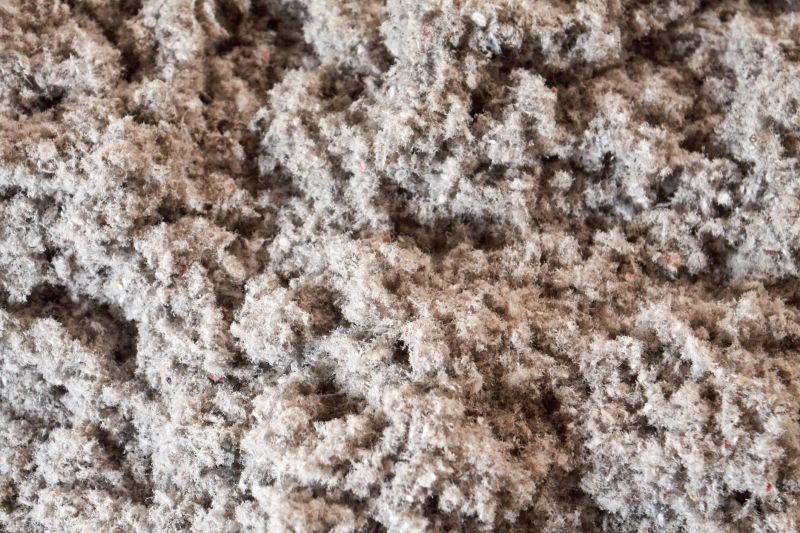
Understanding the difference between insulation types and materials is essential for property owners considering upgrades or repairs. When planning an insulation project, many people seek out information to determine which options will best suit their needs, whether for improving energy efficiency, reducing noise, or preparing for seasonal changes. Local contractors can help explain the advantages and limitations of various insulation materials-such as fiberglass, foam, cellulose, or mineral wool-and how each type performs in different areas of a home or building. This knowledge allows property owners to make informed decisions tailored to their specific project goals and existing structures.
Choosing the right insulation materials and types can impact the overall comfort and energy use of a property. Homeowners or business owners might look into this topic to understand how different options compare in terms of installation, durability, and effectiveness. Local service providers are equipped to assess individual properties and recommend suitable insulation solutions based on the unique characteristics of each space. Connecting with experienced contractors ensures that the selected insulation type aligns with the property’s needs, helping to optimize long-term performance and comfort.
What is the main difference between insulation types and materials? Insulation types refer to the categories based on how they are installed or used, such as batt, spray foam, or blown-in, while materials are the specific substances like fiberglass, cellulose, or foam that make up the insulation. Local contractors can help determine the best combination for a specific space.
How do insulation materials impact performance? Different materials have varying R-values, moisture resistance, and durability, which affect how well they insulate a space. Service providers can recommend materials suited to the climate and building needs.
Can local pros help choose the right insulation type for my home? Yes, experienced contractors can assess your property and recommend insulation types that fit your space, preferences, and existing construction.
Are some insulation materials better for certain areas of a home? Yes, certain materials perform better in specific locations, such as spray foam in attics for air sealing or fiberglass in walls for cost-effective insulation. Local service providers can advise on the best options for each area.
What should I consider when comparing different insulation materials and types? Factors like R-value, installation process, moisture resistance, and compatibility with the building structure are important. Local pros can help evaluate these aspects to find suitable solutions.
Choosing the right insulation type can improve energy efficiency in a home, and local contractors can help determine which materials suit specific building needs.
Understanding insulation materials allows property owners to select options that best match their climate and project goals, with guidance from experienced service providers.
Deciding between batt, spray foam, or blown-in insulation depends on the property's structure, and local pros can recommend the most suitable materials for each area.
Knowing the differences in insulation types and materials helps in planning upgrades that enhance comfort and reduce energy costs, with assistance from trusted local contractors.
If you are thinking about the difference between insulation types and materials for a property, this guide is meant to help you understand this topic, the typical project types, and how different options might fit your plans.
When you are ready, you can use the quote form on this page to share a few details about your project. From there, local pros can review the basics and follow up with options that match what you have in mind.