Rigid Insulation Installation in Boulder, CO
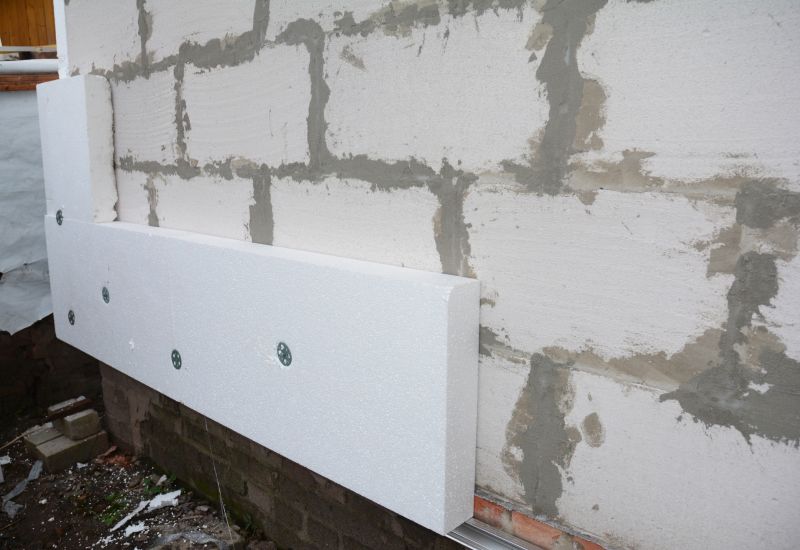
Rigid insulation installation is a building enhancement service that involves adding high-performance insulation panels to various parts of a property. This type of insulation is commonly used in projects such as basement walls, exterior walls, roofing systems, and foundation enclosures. Property owners often seek this service to improve energy efficiency, reduce heating and cooling costs, and enhance overall comfort within their homes or commercial buildings. Before requesting installation, it’s helpful to understand the specific areas that need insulation, the types of rigid insulation materials available, and how the installation process may impact existing structures.
Homeowners and property owners typically want to know about the insulation’s R-value, durability, and compatibility with their building materials. It’s also important to consider the scope of the project, whether it involves new construction or upgrading existing insulation, and any building code requirements that may apply. Proper planning ensures that the insulation provides optimal thermal performance and long-lasting results, making it a valuable investment in the property’s overall energy management.
Many property owners in Boulder, CO look into Rigid Insulation Installation for repairs, replacements, upgrades, and appearance-related improvements.
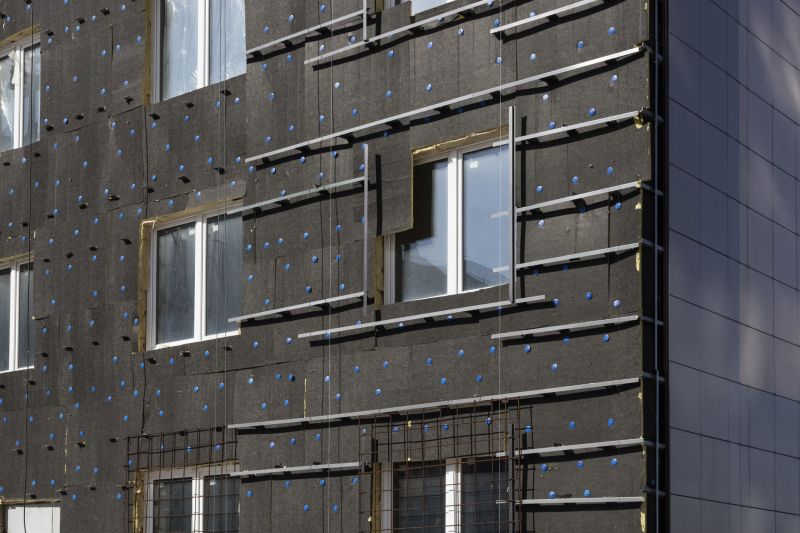
Benefits Of Rigid Insulation
Rigid insulation helps improve energy efficiency and reduces heating and cooling costs for boulder homes.
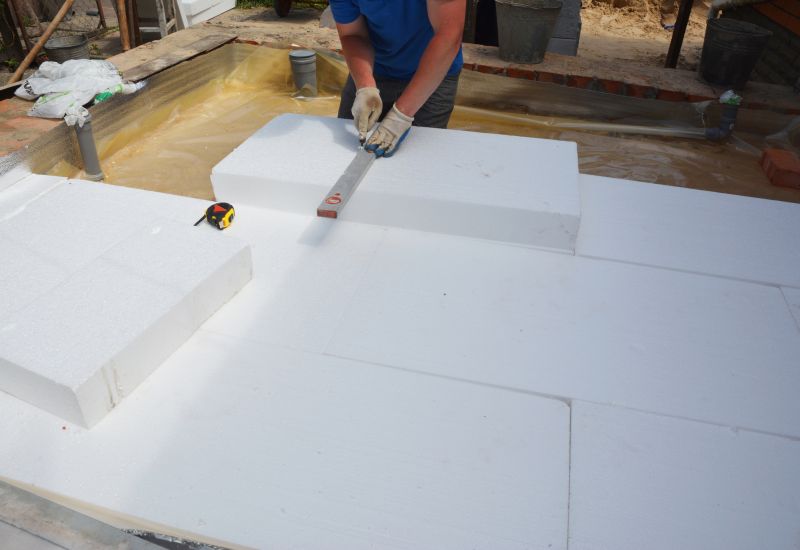
Common Installation Applications
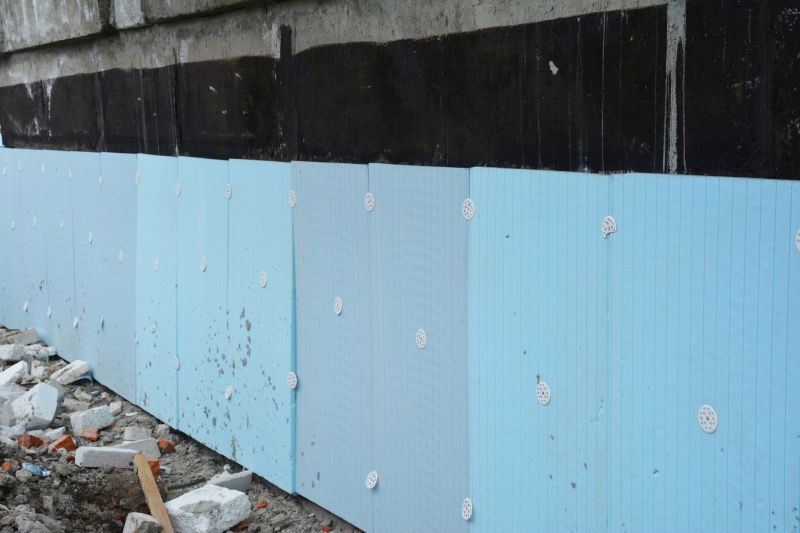
Rigid insulation is often installed in basements, walls, roofs, and foundation areas to enhance building performance.
Choosing The Right Material
Different types of rigid insulation are available to suit various project needs and building codes in boulder and nearby areas.
Rigid Insulation Installation in Boulder, CO
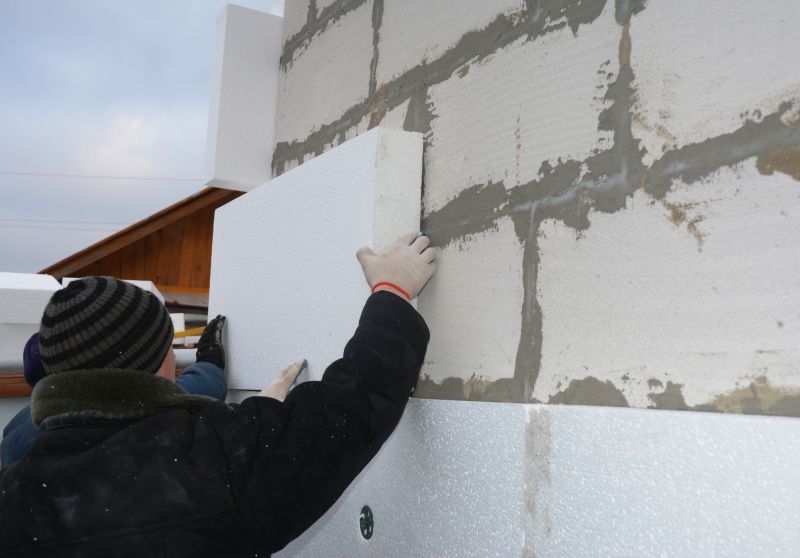
Rigid insulation installation is a building enhancement service that involves adding high-performance insulation panels to various parts of a property. This type of insulation is commonly used in projects such as basement walls, exterior walls, roofing systems, and foundation enclosures. Property owners often seek this service to improve energy efficiency, reduce heating and cooling costs, and enhance overall comfort within their homes or commercial buildings. Before requesting installation, it’s helpful to understand the specific areas that need insulation, the types of rigid insulation materials available, and how the installation process may impact existing structures.
Homeowners and property owners typically want to know about the insulation’s R-value, durability, and compatibility with their building materials. It’s also important to consider the scope of the project, whether it involves new construction or upgrading existing insulation, and any building code requirements that may apply. Proper planning ensures that the insulation provides optimal thermal performance and long-lasting results, making it a valuable investment in the property’s overall energy management.
Many property owners in Boulder, CO look into Rigid Insulation Installation for repairs, replacements, upgrades, and appearance-related improvements.
Common Rigid Insulation Installation Jobs
Basement Insulation - helps improve energy efficiency and comfort in finished or unfinished basements.
Wall Insulation - enhances thermal performance in interior or exterior wall cavities.
Attic Insulation - reduces heat transfer and lowers heating and cooling costs.
Roof Insulation - protects the home from temperature fluctuations and moisture issues.
Commercial Insulation - provides effective thermal barriers for business properties and warehouses.
Industrial Insulation - offers specialized solutions for large-scale or high-performance building projects.
Rigid Insulation Installation Questions
What is rigid insulation used for? Rigid insulation is used to improve thermal performance in walls, roofs, and foundations by providing a high level of insulation in a compact form.
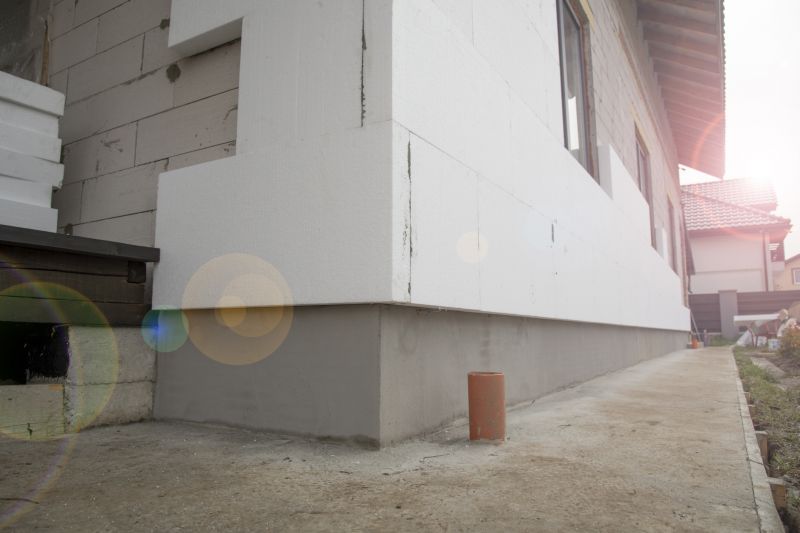
Where can rigid insulation be installed? It can be installed in attics, basements, exterior walls, and other areas where enhanced insulation is needed for energy efficiency.
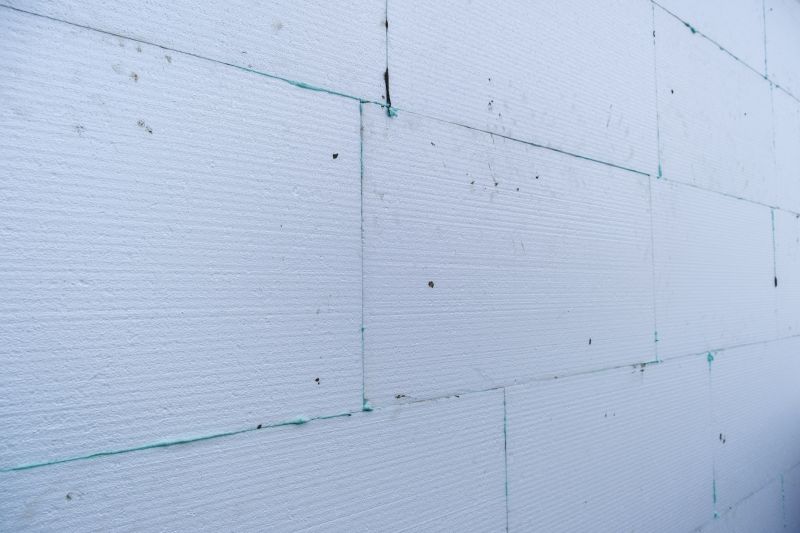
What are common types of rigid insulation materials? Common types include polystyrene (EPS and XPS), polyisocyanurate, and polyurethane boards, each offering different R-values and moisture resistance.
Why choose professional installation for rigid insulation? Professional installation ensures proper fitting, effective insulation performance, and helps prevent issues like moisture buildup or gaps that reduce efficiency.
Request Rigid Insulation Installation in Boulder, CO
Use the quote form on this page to share the basics of your project and request more information for the type of work you need.